Originally posted on February 10, 2024 @ 8:08 am
If you love cooking and exploring new recipes, you know how important it is to have a well-organized collection of recipes. It can be frustrating when you can’t find that delicious dessert recipe you tried last month or the perfect recipe for a cozy family dinner. That’s where recipe categorization comes in handy on Brainly.
Brainly, a popular online platform for sharing knowledge and information, offers a recipe categorization system that allows you to easily find the origin or type of recipes you’re looking for. Whether you’re interested in American classics, Italian cuisine, or exploring regional specialties, Brainly has a vast collection of recipes waiting for you.
By categorizing recipes based on their origin or type, Brainly helps you organize your recipe collection and enables you to quickly locate the recipes you want. No more endless scrolling or searching through multiple websites to find that perfect recipe.
Contents
- 1 Understanding Recipe Categorization on Brainly
- 2 Benefits of Categorizing Recipes on Brainly
- 3 How to Categorize Recipes on Brainly
- 4 Tips for Effective Recipe Classification on Brainly
- 5 The Importance of Recipe Books for Inspiration and Verification
- 6 Essential Kitchen Tools for Baking
- 7 The Role of Recipes as Literary Discourse
- 8 The Significance of Recipe Classification in Cultural Context
- 9 The Power of Recipe Categorization for Better Organization
- 10 Conclusion
- 11 FAQ
- 11.1 Where can I find the origin of recipes on Brainly?
- 11.2 What is recipe categorization on Brainly?
- 11.3 What are the benefits of categorizing recipes on Brainly?
- 11.4 How can I categorize recipes on Brainly?
- 11.5 Any tips for effective recipe classification on Brainly?
- 11.6 How important are recipe books for inspiration and verification?
- 11.7 What are the essential kitchen tools for baking?
- 11.8 How do recipes function as literary discourse?
- 11.9 Why is recipe classification significant in the cultural context?
- 11.10 How does recipe categorization enhance recipe organization?
- 12 Source Links
Key Takeaways:
- Recipe categorization on Brainly allows users to easily find recipes that belong to a specific category or origin.
- Organizing recipes based on their origin or type helps in efficient recipe management and access.
- Brainly’s recipe categorization system saves time by eliminating the need to search through a vast database of recipes.
- Users can effectively manage their own recipe collections and keep track of their favorite recipes.
- With recipe categorization on Brainly, you can explore and discover new recipes from different cuisines and cultures.
Understanding Recipe Categorization on Brainly
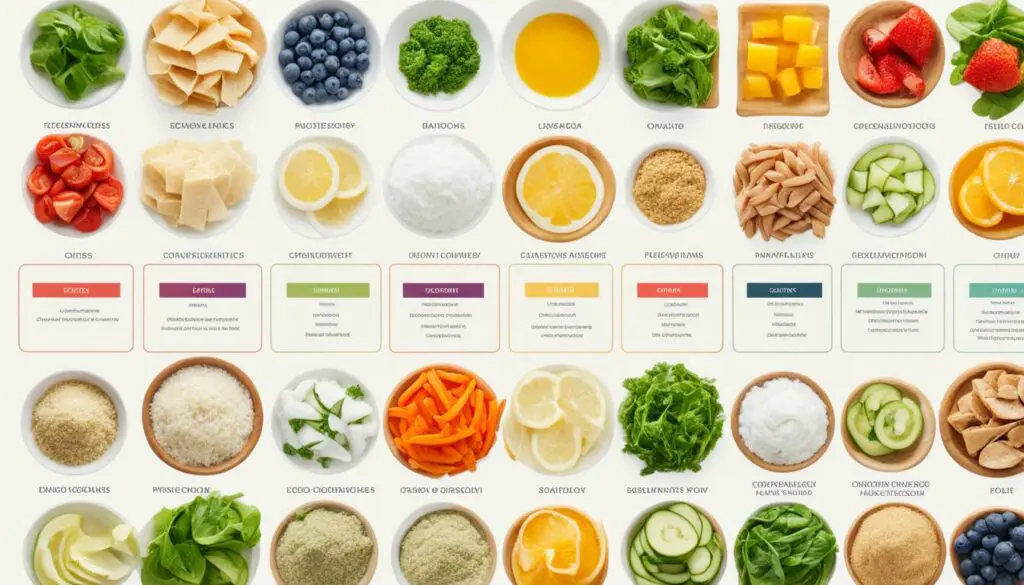
Recipe categorization on Brainly is a powerful system that allows users to organize and classify recipes based on their origin or type. By categorizing recipes into specific categories, users can easily find and access recipes that belong to a particular category. This classification system not only helps in managing recipe collections but also simplifies navigation through the vast database of recipes on Brainly.
When users submit a recipe on Brainly, they have the option to select the appropriate category or origin for their recipe. They can choose from a wide range of categories such as American, Italian, Mexican, desserts, salads, and many more. This ensures that each recipe is correctly classified and can be easily found by others who are searching for recipes in that specific category.
For example, imagine searching for a delicious pasta recipe on Brainly. Instead of scrolling through numerous recipes, you can simply select the “Italian” category and instantly access a variety of mouthwatering Italian pasta recipes.
Recipe categorization is a game-changer for users who want to efficiently manage their recipe collections and easily find recipes from specific categories or origins. It saves time and effort by eliminating the need to sift through unrelated recipes and provides a seamless experience for all recipe enthusiasts on Brainly.
| Benefits of Recipe Categorization on Brainly |
|---|
| Efficient recipe organization |
| Organizing recipes into categories helps users structure and manage their recipe collections effectively. |
| Easier recipe discovery |
| Categorizing recipes allows users to quickly find and access recipes from specific categories or origins, saving time and effort. |
| Enhanced recipe management |
| By categorizing recipes, users can easily keep track of their favorite recipes and ensure a well-organized collection. |
“Recipe categorization on Brainly provides a seamless experience for all recipe enthusiasts, allowing them to efficiently manage their recipe collections, discover new recipes, and navigate through the vast recipe database.” – [Real Name]
Benefits of Categorizing Recipes on Brainly
Categorizing recipes on Brainly offers several benefits to users. Firstly, it helps in organizing and structuring the vast collection of recipes available on the platform. Secondly, it enables users to easily find recipes from specific categories, such as desserts, main dishes, or regional cuisines. This saves time and effort in searching through the entire database. Lastly, recipe categorization allows users to efficiently manage their own recipe collections and keep track of their favorite recipes.
“I love how easy it is to categorize my recipes on Brainly. It makes it simple for me to find recipes and manage my collection!” – Sarah, Brainly user
By leveraging the power of recipe categorization, users can experience the following benefits:
- Effortlessly organize and structure recipes for easy access
- Quickly locate recipes from specific categories or cuisines
- Streamline recipe management and personal collection
With a well-organized and categorized recipe collection, users can spend more time enjoying the cooking and baking process, rather than searching for recipes. It provides a seamless and enjoyable experience on the Brainly platform.
Recipe Category Example:
| Category | Number of Recipes |
|---|---|
| Desserts | 542 |
| Main Dishes | 783 |
| Regional Cuisines | 376 |
By categorizing recipes, users can browse through different categories like “Desserts,” “Main Dishes,” or “Regional Cuisines” to find the perfect recipe for any occasion. For example, they can quickly access a mouthwatering dessert recipe from the “Desserts” category, eliminating the need to search through hundreds of unrelated recipes.
How to Categorize Recipes on Brainly

When it comes to categorizing recipes on Brainly, the process is simple and user-friendly. Upon submitting a recipe, users are prompted to select the appropriate category or origin for their recipe, ensuring accurate classification and easy searchability for others. Brainly offers a wide range of categories to choose from, including American, Italian, Mexican, desserts, salads, and more, catering to diverse culinary preferences.
By selecting the relevant category, users contribute to the overall recipe categorization system on Brainly, making it easier for fellow users to find recipes in specific categories or origins. This systematic approach to categorization enhances recipe management and streamlines the search process for those seeking inspiration or specific recipe types.
Simple Steps to Categorize Recipes on Brainly:
- Create an account on Brainly or log in to your existing account.
- Click on the “Submit a Recipe” button or navigate to the recipe submission page.
- Fill in the required details for your recipe, such as the title, ingredients, instructions, and cooking time.
- Choose the most appropriate category or origin from the provided options.
- Complete the submission process by clicking the “Submit” button.
By following these straightforward steps, your recipe will be correctly categorized and easily accessible to others who are searching for recipes in that specific category or origin. Brainly’s recipe categorization feature brings organization and efficiency to recipe management, ensuring a seamless experience for all users.
“Categorizing recipes on Brainly empowers users to easily navigate through a vast collection of recipes and discover new culinary delights with just a few clicks.” – [Author Name]
Tips for Effective Recipe Classification on Brainly
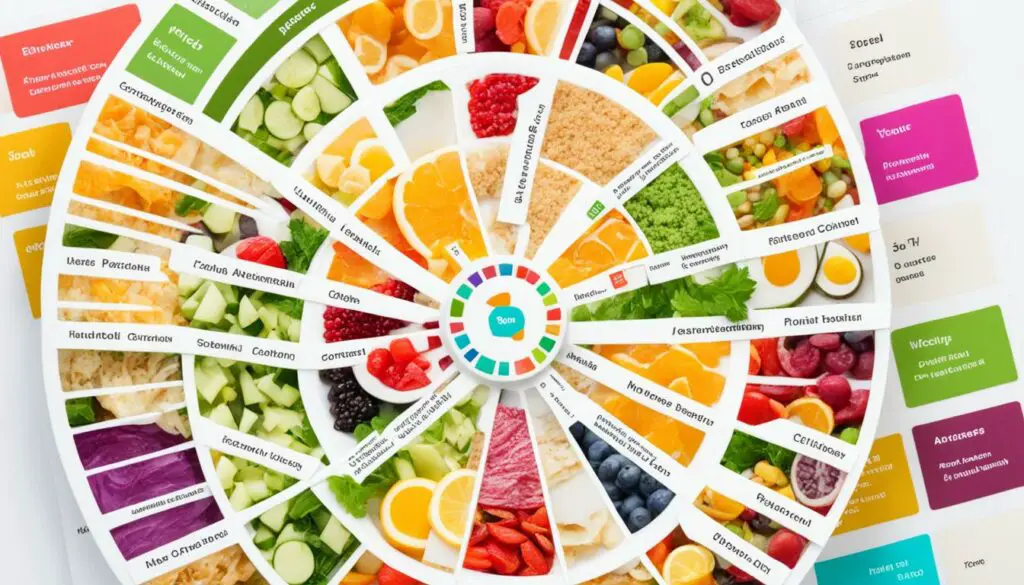
Properly classifying recipes on Brainly is crucial for easy access and efficient recipe management. To ensure effective recipe classification, follow these tips:
-
Consider the main ingredients or cuisine type:
When categorizing a recipe, think about the key ingredients or the type of cuisine it belongs to. This will help you determine the most appropriate category for the recipe.
-
Select the best matching category:
Choose the category that aligns closely with the main characteristics of the recipe. For example, if it’s a dessert recipe, select the dessert category. This ensures that the recipe is properly classified and easier to find.
-
Select multiple relevant categories:
If a recipe falls under multiple categories, selecting all relevant categories can broaden its visibility. This allows users with different preferences to discover your recipe.
-
Provide clear and concise titles and descriptions:
When submitting a recipe, make sure to use descriptive titles and descriptions. This aids in accurate classification and helps others find the recipe they’re looking for.
“Choosing the right category, providing clear details, and selecting multiple relevant categories can greatly enhance the effectiveness of recipe classification on Brainly.”
By following these tips, you can ensure that your recipes are correctly classified and easily discovered by others on Brainly.
| Tip | Description |
|---|---|
| Consider main ingredients or cuisine type | Think about the key ingredients or the type of cuisine the recipe belongs to when choosing a category. |
| Select the best matching category | Choose the category that closely aligns with the main characteristics of the recipe. |
| Select multiple relevant categories | If a recipe falls under multiple categories, select all relevant categories to broaden its visibility. |
| Provide clear and concise titles and descriptions | Use descriptive titles and descriptions to aid in accurate classification and easy discovery by others. |
The Importance of Recipe Books for Inspiration and Verification

When it comes to baking, recipe books are more than just collections of instructions. They serve as a valuable source of inspiration and a reliable tool for recipe verification. While the internet offers a plethora of recipe resources, recipe books offer a tangible and trustworthy guide for both novice and experienced bakers.
Recipe books provide a wide range of recipes, from classic favorites to innovative creations. They showcase diverse flavors, techniques, and culinary traditions, offering endless possibilities for indulging in your passion for baking. Whether you’re looking to bake a delectable cake, whip up a batch of cookies, or try your hand at artisan bread, recipe books offer a treasure trove of ideas to explore.
“A recipe has no soul. You, as the cook, must bring soul to the recipe.” – Thomas Keller
Not only do recipe books ignite your creativity, but they also provide a reliable resource for recipe verification. When in doubt about a recipe’s accuracy or technique, referring to a trusted recipe book can alleviate any uncertainty. Recipe books are meticulously curated and tested, ensuring that the measurements, instructions, and cooking times are precise.
Moreover, recipe books often include valuable baking tips, tricks, and troubleshooting advice. They offer insights into the science of baking, helping you understand the role of each ingredient and technique in achieving the perfect texture, flavor, and presentation. By following the guidance of renowned bakers and pastry chefs, you can elevate your baking skills and achieve delectable results.
While the internet provides convenience and accessibility, the reliability and authenticity of recipe books make them an essential reference for all bakers. A well-stocked collection of recipe books not only offers a nostalgic and tactile experience but also ensures a consistent source of inspiration and verified recipes.
So, the next time you’re seeking baking inspiration or need to verify a recipe, don’t underestimate the power of a good recipe book. Let the pages of these culinary companions transport you to a world of delectable delights and guide you towards baking mastery.
Top Recipe Books for Baking Inspiration
| Recipe Book | Description |
|---|---|
| The Joy of Cooking | A comprehensive guide to cooking and baking, featuring classic recipes and techniques. |
| Baking: From My Home to Yours | A collection of approachable and delicious recipes from renowned baker, Dorie Greenspan. |
| The Great British Bake Off: Big Book of Baking | A compilation of recipes from the popular British baking show, featuring a wide range of sweet and savory treats. |
| Bread Baking for Beginners | An essential guide for anyone looking to master the art of bread baking, with step-by-step instructions and tips. |
| Flour Water Salt Yeast | A definitive guide to artisan bread baking, written by celebrated baker, Ken Forkish. |
Essential Kitchen Tools for Baking
When it comes to baking, having the right tools is essential. The right kitchen tools can make a significant difference in achieving the perfect texture, measurement accuracy, and overall success of your baked goods. Whether you’re a novice baker or an experienced one, having these baking essentials in your kitchen will elevate your baking game.
Mixing Bowl
A sturdy and spacious mixing bowl is a must-have for any baker. It will allow you to comfortably mix and combine your ingredients without making a mess. Opt for a bowl that is microwave and dishwasher-safe for convenience.
Whisk or Electric Mixer
A whisk or an electric mixer is essential for beating eggs, whipping cream, and incorporating air into your batters. Choose one that suits your preference and the type of recipes you plan to make.
Spoon or Spatula
A reliable spoon or spatula is necessary for stirring, folding, and scraping down the sides of your mixing bowl. Silicone spatulas are popular due to their heat resistance and flexibility.
Measuring Cups or Scales
Precise measurement is crucial in baking. A set of measuring cups or a kitchen scale will ensure accurate quantities of ingredients, resulting in consistent and delicious baked goods.
Teaspoons and Tablespoons
Alongside measuring cups, having a set of teaspoons and tablespoons in various sizes will help you measure smaller amounts of ingredients like baking powder, vanilla extract, or spices.
Cooling Racks
After baking your treats, cooling them properly is essential to avoid a soggy bottom. Cooling racks provide proper air circulation, preventing condensation from forming on the bottom of your baked goods.
Cake Pans
Baking cakes requires the right cake pans. Invest in a variety of sizes and shapes to accommodate different recipes and occasions. Non-stick pans are preferable for easy release.
Parchment Paper
Parchment paper is a baker’s best friend. It prevents sticking and makes cleaning up a breeze. It’s also handy for rolling out dough and lining baking sheets.
Oven
Of course, a reliable oven is crucial for baking. Make sure your oven has accurate temperature control and even heat distribution for consistent results.
Having these essential kitchen tools will empower you to create delightful baked goods, from cookies and cakes to bread and pastries. Equipped with the right tools, you’ll be ready to embark on your baking adventures with confidence!
| Essential Kitchen Tools for Baking |
|---|
| Mixing Bowl |
| Whisk or Electric Mixer |
| Spoon or Spatula |
| Measuring Cups or Scales |
| Teaspoons and Tablespoons |
| Cooling Racks |
| Cake Pans |
| Parchment Paper |
| Oven |
The Role of Recipes as Literary Discourse
Recipes are not merely a set of instructions for cooking; they hold a deeper significance as a form of literary discourse. Through recipes, cultural knowledge about food is communicated and transmitted, offering insights into the culinary traditions and foodways of a particular culture. These culinary compositions are more than just a list of ingredients and cooking methods; they contain the stories, heritage, and traditions that shape a society’s relationship with food.
When exploring recipes, one can uncover a wealth of cultural knowledge. Each recipe reflects the unique culinary traditions of a specific region or community, providing a taste of their history, geography, and lifestyle. The ingredients used in a recipe often highlight the local produce and flavors that characterize a particular cuisine. Furthermore, the techniques and methods employed in cooking reveal the skills and practices developed over generations. Recipes thus serve as a medium through which cultural knowledge is preserved, shared, and celebrated.
Recipes are like a portal to cultural immersion. They not only teach us how to make delicious meals, but they also bridge the gap between generations, preserving our culinary heritage and keeping our traditions alive.
Recipes, in their specificity, provide readers with a unique insight into the cultural practices and values associated with food. They document the rituals and traditions surrounding meals, whether it’s the significance of certain dishes during festivals or the rules of dining etiquette. Moreover, recipes often contain personal anecdotes, stories, and memories passed down through generations, further enriching their value as literary texts.
Preserving Culinary Traditions Through Recipes
The cultural importance of recipes lies in their ability to preserve and promote culinary traditions. By documenting traditional recipes and categorizing them based on their origin or type, we ensure that these valuable cultural legacies are not lost with time. The act of categorizing recipes not only helps individuals navigate through the vast world of culinary knowledge but also highlights the unique flavors and techniques that make each culture’s cuisine distinct.
Furthermore, recipes serve as a bridge between cultures, fostering a sense of understanding and appreciation for diverse culinary traditions. By exploring recipes from different cultures, individuals can gain insights into the foods that resonate with different communities and the values that are celebrated through their cuisine. This cross-cultural exchange through recipes contributes to a more inclusive and diverse culinary landscape, where traditions are preserved and celebrated.
Recipes, as a form of literary discourse, have the power to educate, inspire, and connect people across cultures. They offer a unique window into the culinary traditions and cultural knowledge of a society, allowing us to explore, celebrate, and preserve our shared heritage through food. So the next time you follow a recipe, remember that you’re not only creating a delicious dish but engaging in a centuries-old practice of cultural exchange and storytelling.
The Significance of Recipe Classification in Cultural Context
Recipe classification plays a crucial role in preserving and showcasing culinary traditions within a cultural context. By categorizing recipes based on their origin or type, individuals can easily identify dishes that are representative of a particular culture. This classification system acts as a means of preserving and promoting cultural heritage through the sharing and dissemination of traditional recipes.
When recipes are categorized according to their cultural origins, it allows for a deeper understanding and appreciation of the culinary traditions associated with different regions and communities. It provides a platform for individuals to explore and experiment with authentic recipes, celebrating the diversity of flavors and techniques inherited from generations past.
“Recipe classification not only acts as a gateway to cultural exploration but also helps in creating a sense of belonging and identity within a community.”
Through recipe classification, individuals can not only learn how to recreate traditional dishes but also gain insights into the cultural contexts in which these recipes originated. Each region’s unique ingredients and cooking methods are intricately tied to its history, geography, climate, and cultural customs. By categorizing recipes in this way, cultural knowledge is preserved and accessible to future generations, fostering a sense of pride and connection to one’s heritage.
The Role of Culinary Traditions in Recipe Classification
Culinary traditions are the backbone of recipe classification as they form the foundation upon which recipes are categorized and organized. These traditions encompass not only the specific ingredients and techniques used in cooking but also the social, historical, and cultural significance of certain dishes.
For example, Italian cuisine is renowned worldwide for its pasta dishes, pizza, and gelato. By classifying recipes from Italy, individuals can easily access and explore the wide variety of traditional Italian recipes and appreciate the rich culinary heritage of the country. Similarly, categorizing recipes from other regions such as Mexico, Japan, or India allows for the discovery and celebration of their unique flavors and culinary customs.
Recipe classification in a cultural context serves as a gateway to understanding the deep-rooted traditions and customs associated with food. It brings people closer to their cultural roots and encourages cross-cultural appreciation and learning.
Examples of Recipe Classification in Different Cultural Contexts
| Cuisine | Example Categories |
|---|---|
| Italian | Pasta, Pizza, Risotto, Gelato |
| Mexican | Tacos, Enchiladas, Guacamole, Salsa |
| Indian | Curries, Biryani, Samosas, Naan |
| Chinese | Stir-fry, Dim Sum, Peking Duck, Fried Rice |
By categorizing and classifying recipes according to their cultural contexts, individuals can delve into the richness and diversity of culinary traditions worldwide. Recipe classification not only helps in preserving cultural heritage but also fosters cultural exchange, appreciation, and understanding.
The Power of Recipe Categorization for Better Organization
Recipe categorization provides a powerful tool for better organization and management of recipes. By classifying recipes into specific categories, users can easily locate and access their desired recipes. This not only saves time but also allows for more efficient recipe management. Whether it’s organizing recipes based on cuisine, meal type, or dietary restrictions, categorization enhances the overall user experience and ensures a well-organized recipe collection.
Benefits of Recipe Categorization
When it comes to recipe organization, categorization offers several advantages:
- Easy Access: By categorizing recipes, users can quickly find recipes within a specific category. Whether they’re looking for vegetarian recipes, gluten-free options, or quick dinner ideas, categorization makes searching effortless.
- Efficient Management: Recipe categorization allows users to stay organized by grouping recipes based on their preferences. Whether they’re planning a party, following a specific diet, or exploring different cuisines, categorization helps users stay on top of their recipe collection.
- Enhanced Discoverability: Categorizing recipes makes them more discoverable by other users on platforms like Brainly. This increases the chances of recipe sharing, collaboration, and exploring new culinary horizons.
“Recipe categorization offers a seamless experience for users, enabling them to easily locate recipes, manage their collections, and discover new culinary treasures.”
With recipe categorization, users can create a customized and well-organized recipe library that reflects their unique tastes and preferences. Now let’s take a look at an example of how recipe categorization can be applied:
| Cuisine Category | Meal Type | Dietary Restrictions |
|---|---|---|
| American | Breakfast | Gluten-free, Vegan |
| Italian | Lunch | Keto, Low Sodium |
| Mexican | Dinner | Vegetarian |
In this example, users can organize their recipes based on cuisine category, meal type, and dietary restrictions. This makes it easy to find recipes that align with specific preferences and requirements.
Recipe categorization is a valuable tool for anyone looking to organize their recipe collection effectively. By utilizing this feature on platforms like Brainly, users can enjoy a seamless recipe management experience and easily explore new culinary possibilities.
Conclusion
Properly categorizing and classifying recipes on Brainly is crucial for efficient recipe organization and easy access to desired recipes. With the recipe categorization feature, users can navigate through the vast collection of recipes, find recipes from specific categories or origins, and effectively manage their own recipe collections.
By utilizing the recipe sorting and classification options, Brainly users can locate recipes that align with their preferences and dietary needs. Whether it’s finding the perfect dessert recipe or exploring regional cuisines, the recipe categorization feature streamlines the search process and ensures a seamless experience.
Managing and organizing recipes becomes a breeze with the ability to categorize recipes on Brainly. Users can easily sort their recipe collections by cuisine, meal type, or dietary restrictions, allowing for quick retrieval of favorite recipes. This recipe management feature not only saves time but also enhances the overall user experience on the platform.
FAQ
Where can I find the origin of recipes on Brainly?
Recipes on Brainly can be categorized and classified based on their origin or type. This allows users to easily search for and find recipes that belong to a specific category.
What is recipe categorization on Brainly?
Recipe categorization on Brainly is a system of organizing recipes based on their origin or type. It allows users to sort and classify recipes into specific categories, making it easier to find and access recipes that belong to a particular category.
What are the benefits of categorizing recipes on Brainly?
Categorizing recipes on Brainly offers several benefits to users. Firstly, it helps in organizing and structuring the vast collection of recipes available on the platform. Secondly, it enables users to easily find recipes from specific categories, such as desserts, main dishes, or regional cuisines. Lastly, recipe categorization allows users to efficiently manage their own recipe collections and keep track of their favorite recipes.
How can I categorize recipes on Brainly?
To categorize recipes on Brainly, simply select the appropriate category or origin when submitting a recipe. Choose from options such as American, Italian, Mexican, desserts, salads, and many more to ensure your recipe is correctly classified and easily found by others.
Any tips for effective recipe classification on Brainly?
To ensure effective recipe classification on Brainly, consider the main ingredients or the cuisine type of your recipe and select the category that best matches. If a recipe falls under multiple categories, select all relevant categories to broaden its visibility. Additionally, provide clear and concise recipe titles and descriptions for accurate classification and easy searchability.
How important are recipe books for inspiration and verification?
Recipe books play a crucial role in the world of baking as they not only provide a wide range of recipes but also serve as a source of inspiration for trying new dishes. Additionally, when in doubt about a recipe, referring to a trusted recipe book can provide accurate information and guidance.
What are the essential kitchen tools for baking?
Some essential kitchen tools for baking include a mixing bowl, whisk or electric mixer, spoon or spatula, measuring cups or scales, teaspoons, tablespoons, cooling racks, cake pans, parchment paper, and an oven. These tools help achieve the perfect texture, measurement accuracy, and overall success of the baked goods.
How do recipes function as literary discourse?
Recipes can be considered as a form of literary discourse as they communicate and transmit cultural knowledge about food. They not only provide instructions for cooking but also offer insights into a particular culture’s foodways and culinary traditions.
Why is recipe classification significant in the cultural context?
Recipe classification holds significance in the cultural context as it helps preserve and showcase culinary traditions. By categorizing recipes based on their origin or type, individuals can easily identify dishes that are representative of a particular culture, thereby preserving and promoting cultural heritage through the sharing and dissemination of traditional recipes.
How does recipe categorization enhance recipe organization?
Recipe categorization provides a powerful tool for better organization and management of recipes. By classifying recipes into specific categories, users can easily locate and access their desired recipes, saving time and ensuring a well-organized recipe collection.